
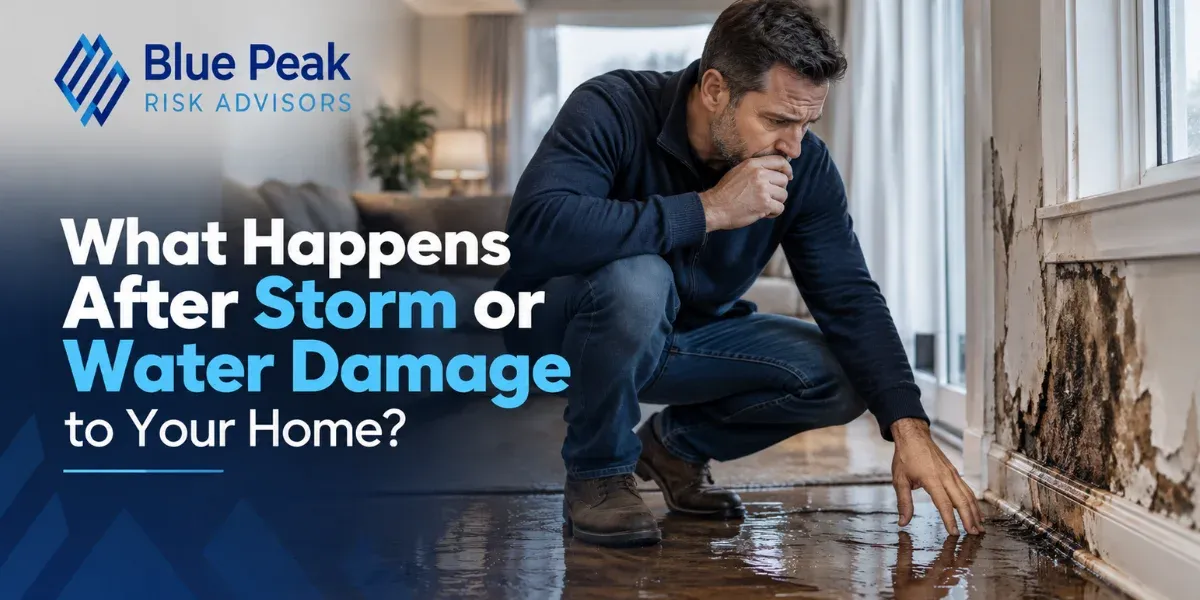
Storms, heavy rain, burst pipes, roof leaks, and other water-related events can cause significant damage to a home in a short period of time. When damage occurs, homeowners often have the same immediate questions: What should I do first? What documentation will I need? Will the damage be covered? How long will the claim take?
The answers depend on the cause of the loss, the policy terms, deductibles, exclusions, and the type of damage involved. Understanding the water damage insurance claim process before an emergency happens can make it easier to respond quickly and provide the information an insurer may need.
This guide explains the steps homeowners can take after storm or water damage, common coverage considerations, documentation tips, and what to expect while a claim is being reviewed.
What Should You Do Immediately After Storm or Water Damage?
The first priority is safety. If there is standing water, structural damage, exposed electrical wiring, a damaged roof, or another immediate hazard, avoid entering affected areas until it is safe to do so.
Once the property is safe to access, take reasonable steps to prevent additional damage.
Stop the Source When Possible
If the damage comes from a burst pipe, leaking appliance, or plumbing failure, shut off the water supply if it can be done safely.
For storm-related damage, temporary steps may include covering a damaged roof or broken window to prevent more rain from entering the property.
Do not make major permanent repairs before the insurer has had an opportunity to review the damage unless emergency conditions require immediate action.
Document the Damage
Photos and videos can be extremely important.
Document:
- Damaged rooms
- Walls and ceilings
- Flooring
- Furniture
- Appliances
- Personal belongings
- Roof or exterior damage
- Standing water
- Visible mold or moisture
- Damaged equipment
Take both wide-angle photos and close-up images where possible.
Keeping detailed documentation is one of the most useful water damage insurance claim tips because it creates a record of the condition of the property immediately after the event.
Does a Home Policy Cover Water Damage?
Coverage depends heavily on how the water entered the property.
Many homeowners insurance policies may cover certain types of sudden and accidental water damage, while other causes may be excluded.
Examples that may potentially be covered, depending on the policy, include:
- Burst plumbing pipes
- Sudden appliance leaks
- Certain roof leaks caused by covered storm damage
- Water damage resulting from certain accidental plumbing failures
- Damage caused by wind-driven rain after a covered event
However, policies often treat flooding, gradual leaks, maintenance problems, and groundwater differently.
Reviewing your existing home insurance coverage can help you understand which causes of damage may be included and which risks may require separate protection.
Storm Damage and Water Damage Are Not Always Treated the Same
A major source of confusion is that two homes can both have water inside them while the coverage outcome may be completely different.
For example, water entering through a roof damaged by a windstorm may be handled differently from water entering a home because a nearby river overflowed.
The insurer will typically look at the cause of loss, not simply the fact that water damage occurred.
Wind and Storm-Related Water
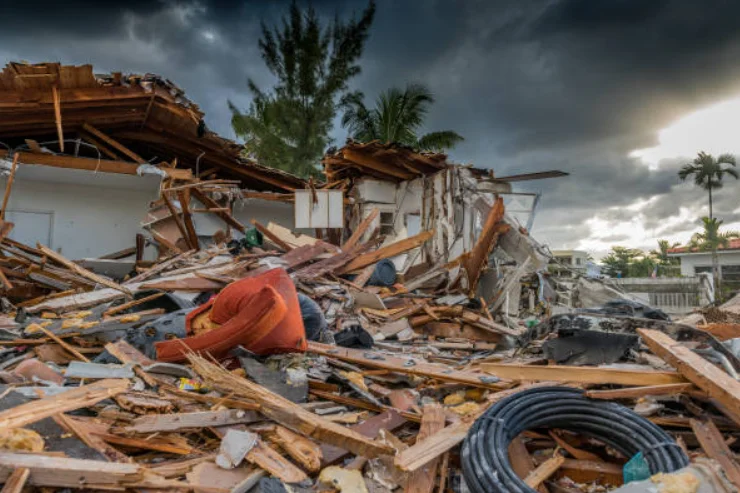
Suppose strong winds damage a portion of the roof and rain enters through the opening.
Depending on the policy and circumstances, the resulting interior damage may potentially fall under covered storm-related damage.
Flooding
Water coming from rising surface water, overflowing rivers, storm surge, or similar external flooding is generally handled differently from ordinary homeowners coverage.
Homeowners concerned about these risks should understand how a separate flood insurance policy may work alongside their primary property protection.
Understanding the Water Damage Insurance Claim Process

The exact process varies by insurer and situation, but most property claims follow several common stages.
Step 1: Report the Loss
Notify the insurer as soon as reasonably possible after discovering the damage.
Be prepared to provide basic information such as:
- Date and approximate time of damage
- Suspected cause
- Areas affected
- Current condition of the property
- Emergency repairs already completed
- Contact information
Try to provide facts rather than assumptions about the cause.
Step 2: Prevent Additional Damage
Most policies expect homeowners to take reasonable steps to protect the property from additional damage.
Examples may include:
- Shutting off water
- Removing standing water where safe
- Covering openings
- Moving undamaged belongings
- Using temporary drying equipment
- Contacting an emergency restoration company
Keep receipts for emergency expenses and temporary repairs.
Step 3: Document Your Loss
Create an inventory of damaged property.
Include:
- Item description
- Approximate age
- Purchase price if known
- Current condition
- Photos
- Receipts or records when available
Do not automatically dispose of damaged items unless they create a safety hazard or you have been instructed to do so.
Step 4: Adjuster Inspection
An insurance adjuster may inspect the property and review the circumstances surrounding the loss.
The adjuster may:
- Photograph damage
- Measure affected areas
- Review repair estimates
- Ask about the cause
- Examine damaged materials
- Review policy limits and exclusions
Understanding how to talk to insurance adjuster water damage situations can make this stage easier.
Provide clear, accurate information and avoid guessing when you are unsure about a detail.
Step 5: Coverage Review
After reviewing the loss, the insurer determines whether the event falls within the policy’s coverage.
The insurer may also evaluate:
- Deductible
- Coverage limits
- Depreciation
- Exclusions
- Repair costs
- Replacement costs
- Additional documentation
This stage can take longer when the cause of damage is unclear or when extensive repairs are required.
How to Get Insurance to Pay for Water Damage
Homeowners often search for how to get insurance to pay for water damage, but the most important factor is whether the cause of the loss is covered by the policy.
There is no guaranteed method to make an excluded loss become covered. However, presenting a clear, well-documented claim can help the insurer evaluate the damage accurately.
Useful steps include:
- Report damage promptly
- Clearly document the source of the loss
- Photograph affected areas
- Keep damaged property where practical
- Save receipts
- Obtain repair estimates
- Respond promptly to information requests
- Review the written coverage decision carefully
If something in the claim decision is unclear, ask for an explanation of the relevant policy language.
How to Talk to an Insurance Adjuster About Water Damage
Communication with the adjuster should remain factual and organized.
Instead of making assumptions, describe what you observed.
For example:
Better:
“Water was visible on the kitchen ceiling after the storm.”
Less useful:
“The entire roof definitely failed because of the storm.”
The first statement describes an observable fact. The second attempts to determine the cause before an inspection.
Helpful information to prepare includes:
- Photos taken before cleanup
- Contractor estimates
- Restoration invoices
- Maintenance records if relevant
- Purchase receipts for damaged property
- Timeline of what happened
Good communication can reduce confusion during the review process.
Common Mistakes That Can Complicate a Claim
Even when damage may be covered, certain mistakes can make the claim process more difficult.
Waiting Too Long to Report Damage
Delays can make it harder to determine what caused the loss and whether additional damage occurred afterward.
Throwing Everything Away Immediately
Damaged property can sometimes serve as evidence of the loss.
Take detailed photos before removing anything that must be discarded.
Making Permanent Repairs Too Early
Emergency work may be necessary, but large permanent repairs before inspection could make it harder to document the original condition.
Failing to Keep Receipts
Keep receipts for:
- Emergency repairs
- Temporary lodging
- Cleanup
- Water removal
- Materials
- Contractor work
Whether these expenses are reimbursable depends on the policy.
Assuming Every Type of Water Damage Is Covered
Flooding, groundwater, maintenance issues, and long-term leaks may be treated differently.
This is why homeowners should understand exclusions before a loss occurs.
Replacement Cost vs. Actual Cash Value

Another factor that can affect a property claim is how damaged property is valued.
Replacement Cost
Replacement cost generally refers to the cost of replacing damaged property with comparable new property, subject to policy terms and limits.
Actual Cash Value
Actual cash value generally considers depreciation based on age, condition, and useful life.
For example, an older damaged appliance may have a lower actual cash value than the cost of purchasing a new replacement.
Knowing how your policy handles property valuation can help you understand possible claim payments.
When Should You Review Your Coverage?
Waiting until after a major loss is not the best time to discover a coverage gap.
A policy review may be useful after:
- Major home renovations
- Installing a new roof
- Purchasing expensive belongings
- Adding an addition
- Building a detached structure
- Changing mortgage lenders
- Moving into a high-risk weather area
- Significant changes in rebuilding costs
Speaking with experienced insurance advisors can also help homeowners understand deductibles, coverage limits, exclusions, and additional protection that may apply to their situation.
A Simple Storm and Water Damage Checklist
If your property experiences sudden damage, use this quick checklist:
- Make sure everyone is safe.
- Stop the source of water when possible.
- Prevent additional damage.
- Photograph and video everything.
- Contact the insurer promptly.
- Keep receipts for emergency expenses.
- Create a damaged-property inventory.
- Prepare for an adjuster inspection.
- Review the coverage decision carefully.
- Keep copies of all claim documents.
Following an organized process can help reduce confusion during an already stressful situation.
Final Thoughts
Storm and water damage can create both immediate property concerns and longer-term financial questions. Understanding the water damage insurance claim process, documenting the loss carefully, and communicating clearly with the adjuster can make the process easier to navigate.
The most important step is understanding your coverage before a major loss occurs. Review limits, deductibles, exclusions, property valuation methods, and flood-related risks so there are fewer surprises when a claim happens.
Good preparation cannot prevent every storm, leak, or unexpected event, but it can help homeowners respond more confidently when damage occurs.
If you would like a second look at your current limits, deductibles, and exclusions before storm season, contact the Blue Peak team for a no-obligation coverage review. You may also find our guide on finding affordable homeowners coverage without being underinsured helpful.
Frequently Asked Questions